
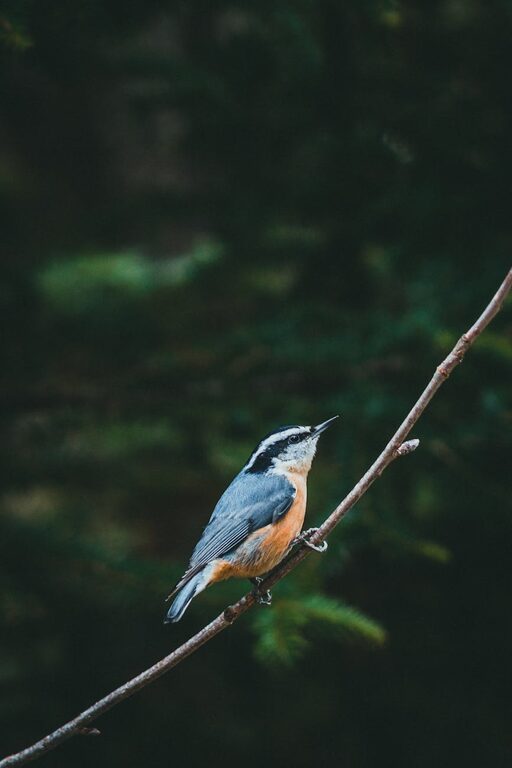
Birdwatching is a wonderful way to connect with nature, get some fresh air, and enjoy the colorful and musical visitors that come to your backyard. Even if you have never tried it before, backyard birdwatching is easy to start and can be very rewarding. In this guide, we’ll share beginner-friendly tips to help you attract birds, observe them closely, and learn more about the feathered friends just outside your door.
Why Backyard Birdwatching?
You don’t need to travel to remote forests or parks to enjoy birdwatching. Your own backyard can become a vibrant bird habitat with just a few simple steps. Birdwatching promotes relaxation, enhances your appreciation of nature, and can be an enjoyable hobby for all ages. Plus, it helps you learn about the birds native to your region and fosters a sense of stewardship for local wildlife.
Getting Started: The Essentials
1. Create a Bird-Friendly Environment
Birds are drawn to places that provide food, water, shelter, and safe nesting spots. Here’s how to make your backyard inviting:
– Feeders: Use feeders suitable for common backyard birds like chickadees, finches, and cardinals. Tube feeders with mixed seeds, platform feeders, or suet feeders attract different species.
– Water Source: A birdbath or small fountain provides drinking and bathing water. Clean and refill it regularly to keep birds coming back.
– Native Plants: Plant native shrubs, trees, and flowers. These provide natural food sources like berries and insects, and offer shelter and nesting places.
– Avoid Chemicals: Minimize pesticide use to protect both birds and their food sources.
2. Choose the Right Feeders and Food
Different birds prefer different foods:
– Black-oil sunflower seeds: Loved by many birds, especially cardinals and chickadees.
– Nyjer (thistle) seeds: Favorite of finches.
– Suet cakes: Great for woodpeckers and nuthatches.
– Mealworms: Attract bluebirds and other insect-eaters.
Using a variety of feeders and foods helps attract diverse species.
Watching Birds: Tips for a Successful Experience
3. Pick the Best Spot
Set up your feeders and birdbaths near windows or places where you can sit quietly and watch. A comfortable chair and a few good binoculars will enhance your viewing experience.
4. Be Patient and Observant
Birds may take some time to discover new feeders or water sources. Once they do, visit regularly and observe their behavior. Take note of colors, sizes, feeding habits, and songs.
5. Keep a Bird Journal
Recording your sightings can be fun and educational. Note species names, dates, and interesting behaviors. Over time, you’ll notice seasonal patterns and bird populations.
Identifying Birds: A Beginner’s Guide
6. Use Field Guides and Apps
A good field guide book or a free bird identification app can help you recognize bird species by appearance and sound. Apps often include photos, maps, and calls to improve your skills.
7. Learn Common Backyard Birds
Start by focusing on common local species. Knowing their colors, shapes, and habits builds confidence and makes birdwatching more enjoyable.
8. Listen Carefully
Many birds are easier to identify by their songs and calls than by sight. Spend time listening and gradually learn to match sounds with species.
Additional Tips to Enhance Your Experience
9. Avoid Disturbing the Birds
Approach feeders and nests quietly and avoid sudden movements. Keep pets, especially cats, away from feeding areas to create a safe environment.
10. Participate in Bird Counts and Communities
Join local birdwatching groups or contribute to citizen science projects like the Audubon Christmas Bird Count. Engaging with others can boost your knowledge and enjoyment.
11. Be Consistent
Regularly refilling feeders and maintaining water sources encourages birds to return often. Changing seed types occasionally can attract new species.
Conclusion
Backyard birdwatching is a relaxing, educational hobby that brings the beauty of wildlife right to your doorstep. With a little patience and some simple preparations, you’ll soon find yourself surrounded by vibrant birdlife and endless natural wonders. Start small, enjoy the process, and watch as your backyard becomes a haven for birds and a peaceful retreat for you.
Happy birdwatching!