
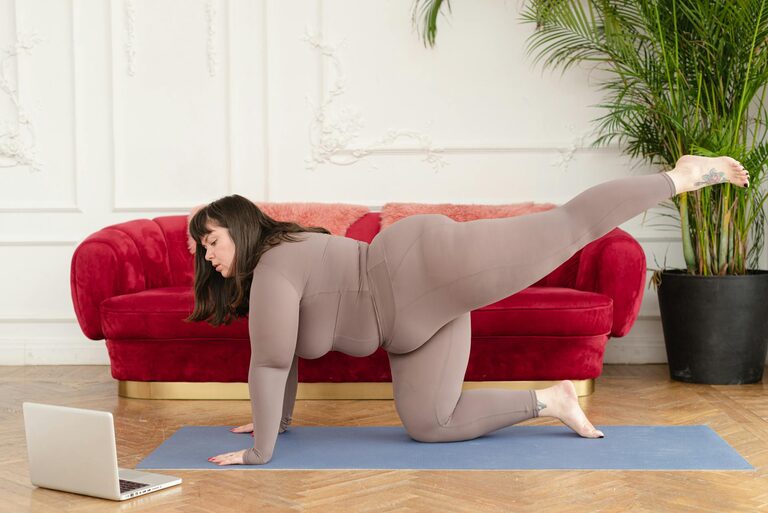
Stretching is a simple yet powerful way to enhance your physical health and well-being. Whether you’re new to exercise or just looking to add a healthy habit to your routine, stretching at home is an accessible way to increase flexibility, reduce muscle tension, and promote relaxation. This beginner’s guide will walk you through the essentials of stretching, offer tips for getting started safely, and share easy stretches you can do right now—no special equipment needed!
Why Stretching Matters
Stretching helps maintain the range of motion in your joints, improves blood flow to muscles, and can help prevent injuries. It’s especially beneficial if you spend a lot of time sitting or doing repetitive movements. Incorporating stretching into your day can also help reduce stress and improve posture.
Benefits of Stretching
– Increases flexibility and mobility
– Reduces muscle stiffness and soreness
– Enhances circulation
– Helps with injury prevention
– Promotes relaxation and stress relief
Getting Started: Important Tips for Beginners
Before you jump into stretching, keep these tips in mind to ensure a safe and effective session:
1. Warm Up First
Stretching cold muscles can lead to injury. Spend 5 to 10 minutes warming up with light activity like walking or marching in place to increase blood flow.
2. Stretch Gently and Slowly
Ease into each stretch and never force your body beyond its comfortable range of motion. Stretching should feel good, not painful.
3. Hold Each Stretch
Aim to hold each stretch for 15 to 30 seconds. Breathe deeply and relax during each hold to maximize benefits.
4. Be Consistent
Stretching once in a while won’t bring lasting benefits. Try to stretch at least 3 times a week for noticeable improvements.
5. Include All Major Muscle Groups
Focus on the neck, shoulders, arms, back, hips, legs, and calves for a balanced routine.
Simple Stretches You Can Do at Home
Here are some beginner-friendly stretches that target key areas of the body. Remember to perform all movements slowly and with control.
Neck Stretch
– Sit or stand upright.
– Gently tilt your head to the right, bringing your ear toward your shoulder.
– Hold for 20 seconds, feeling a gentle stretch along the left side of your neck.
– Repeat on the other side.
Shoulder Stretch
– Extend your right arm straight across your chest.
– Use your left hand to gently press your right arm closer to your chest.
– Hold for 20–30 seconds.
– Switch arms.
Chest Opener
– Clasp your hands behind your back.
– Straighten your arms and gently lift your chest while squeezing your shoulder blades together.
– Hold for 20 seconds.
Seated Forward Bend
– Sit on the floor with your legs extended straight.
– Slowly reach forward toward your toes, keeping your spine long.
– Reach as far as comfortable without rounding your back.
– Hold for 20–30 seconds.
Hip Flexor Stretch
– Kneel on your right knee with your left foot planted in front, creating a 90-degree angle at both knees.
– Gently push your hips forward to feel a stretch in the front of your right hip.
– Hold for 20–30 seconds.
– Switch sides.
Hamstring Stretch
– Lie on your back and lift your right leg straight up.
– Hold the back of your thigh or calf and gently pull your leg toward you.
– Keep your left leg bent or extended comfortably on the floor.
– Hold for 20–30 seconds.
– Switch sides.
Calf Stretch
– Stand facing a wall, placing your hands flat at shoulder height.
– Step your right foot back, keeping it straight and your heel on the floor.
– Bend your left knee slightly and lean forward until you feel a stretch in your right calf.
– Hold for 20 seconds.
– Switch legs.
Creating a Routine That Works
Consistency is key to gaining the benefits of stretching. Try to set aside time in the morning, during breaks, or before bed to stretch. Aim for a full-body routine 3 to 5 times per week.
Sample Beginner Stretching Routine
- Neck Stretch – 20 seconds per side
- Shoulder Stretch – 20 seconds per side
- Chest Opener – 20 seconds
- Seated Forward Bend – 30 seconds
- Hip Flexor Stretch – 30 seconds per side
- Hamstring Stretch – 30 seconds per side
- Calf Stretch – 20 seconds per side
This routine takes about 10 minutes and can be a refreshing part of your day.
Final Tips for Success
– Wear comfortable clothing that allows movement.
– Use a yoga mat or soft surface for floor stretches.
– Stay hydrated throughout the day.
– Listen to your body and avoid any movements that cause discomfort.
– Consider combining stretching with other forms of exercise for overall fitness.
Conclusion
Stretching at home is an easy, effective way to improve your flexibility, ease muscle tension, and boost your wellness. With just a few simple stretches and a little consistency, you can build a healthier, more flexible body right from your living room. Start today and enjoy the many benefits of a simple stretching routine!
—
Feel free to bookmark this guide and refer back each time you want a quick reminder or new stretch ideas. Your body will thank you!